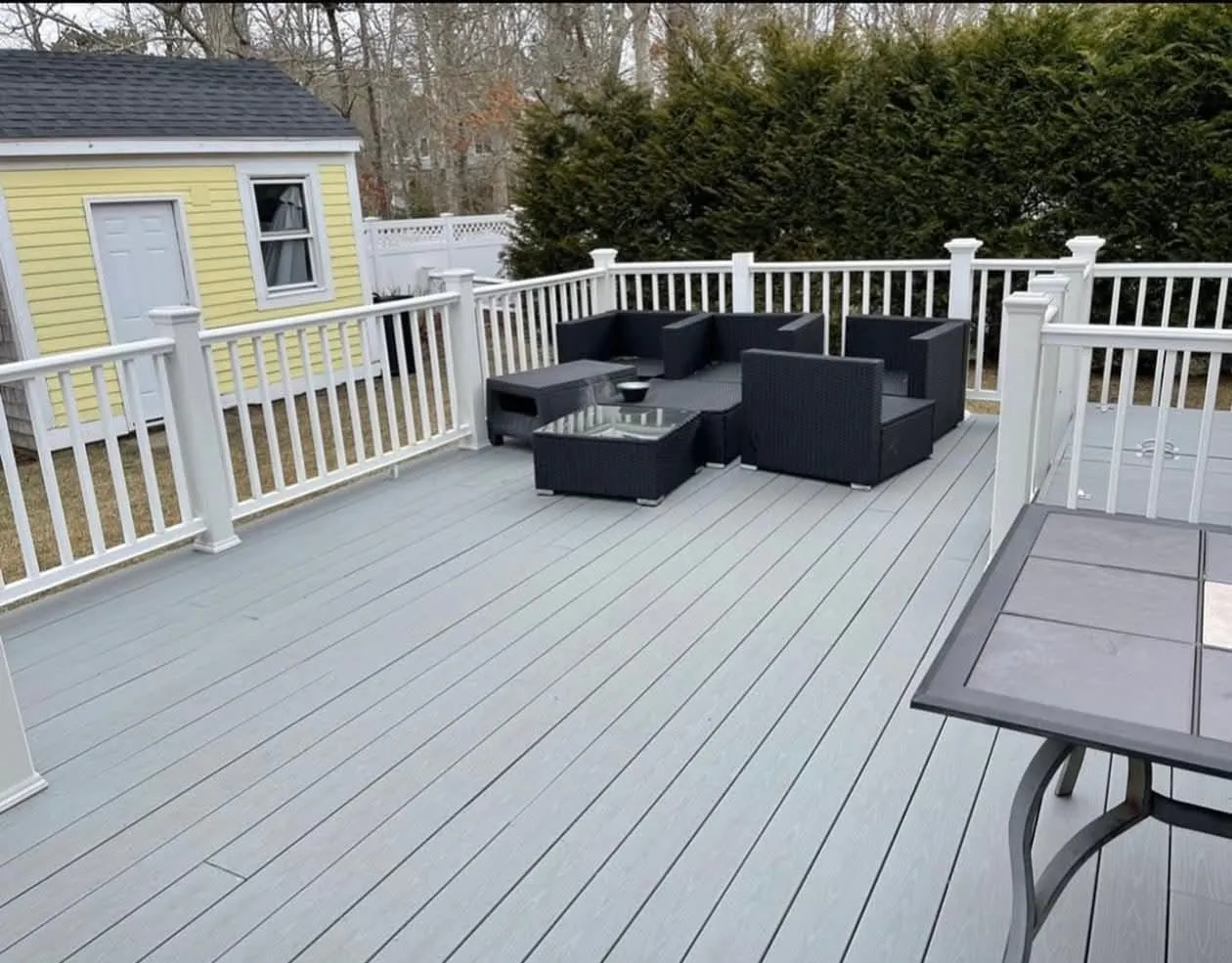
Cost breakdowns, material comparisons and how-to guides from 17 years of working on Connecticut homes. Written by Segundo Cornejo, founder of SC Home Improvement, based on real project numbers and CT-specific conditions.
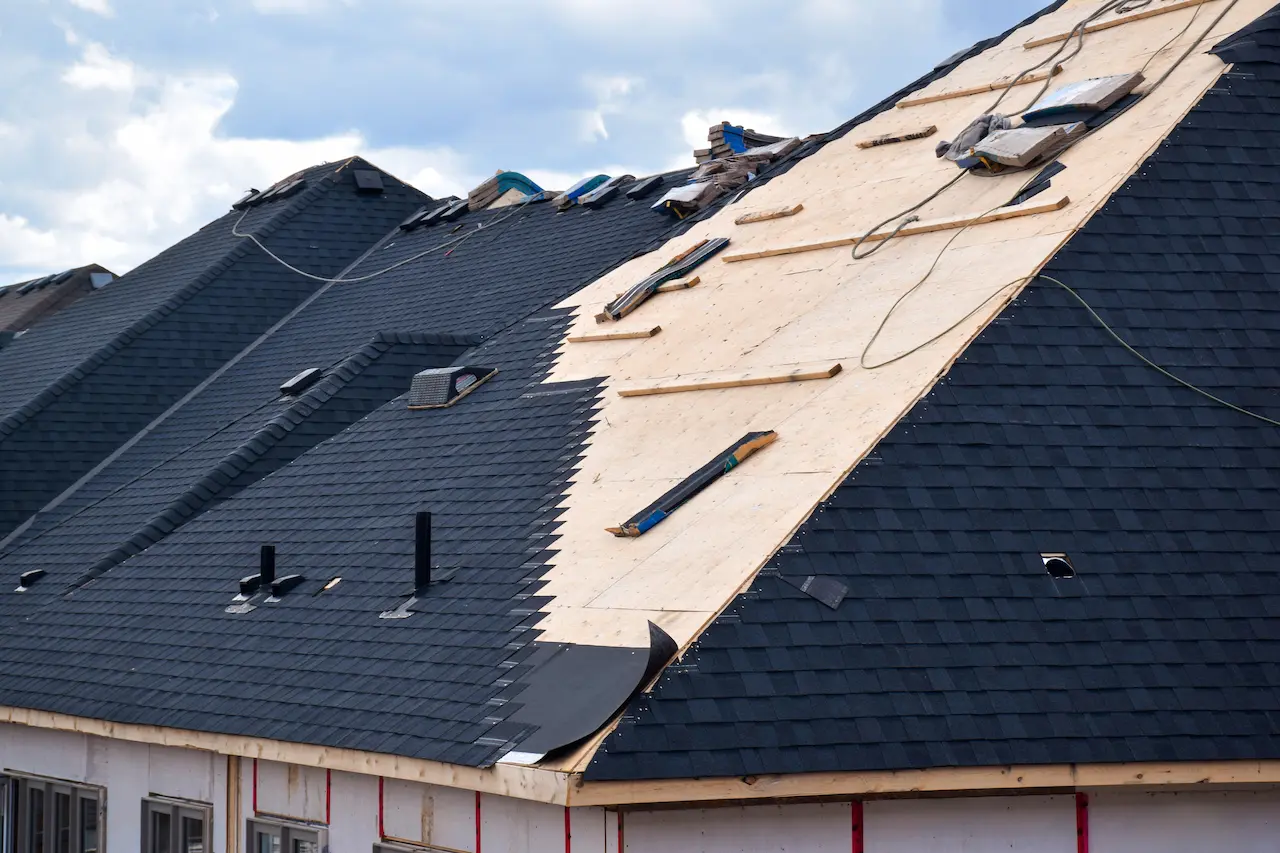
If you're staring up at a Connecticut roof that's missing shingles after last winter's nor'easter, you're probably wondering the same thing every CT homeowner wonders before getting estimates: how much is this actually going to cost? Roof replacement is one of the biggest single home expenses most Connecticut homeowners ever face, and the numbers vary widely depending on what you're working with.
Roof replacement pricing in Connecticut runs across a wide spectrum from basic asphalt to premium materials on a Greenwich estate. The price spread comes down to roof size, material choice, complexity of the roof itself, and where in CT you live. Coastal towns like Stamford and Fairfield run higher than inland Hartford for the same job because of labor markets and material handling.
This guide breaks down real 2026 Connecticut roof replacement pricing by material, walks through what actually drives cost up or down on your specific roof, and tells you what questions to ask any contractor before signing anything. We've been roofing CT homes for 17 years, so the numbers here come from actual project quotes, not industry averages that may or may not apply to your situation.
Most Connecticut roof replacements fall into a pretty predictable range when you break them down by material. Here's what you can expect to pay in 2026 for a typical CT home of around average-sized roof surface:
These prices include tear-off of the old roof, disposal, new underlayment, ice-and-water shield, new flashing, ridge venting and the new roof material itself. Add premium amount on top for complex roofs with multiple dormers, valleys, skylights or steep pitches. Coastal Connecticut towns also typically run small to moderate amount higher than inland for the same job.
Two homes in the same Connecticut town can get wildly different roof estimates for what looks like the same project. Here's what actually moves the needle on price.
Square footage of actual roof surface drives the biggest part of any quote. A smaller-sized roof costs less than a larger-sized roof, obviously. But pitch matters almost as much. Steep roofs require safety harnesses, roof anchors and slower work, which adds labor cost. A steep-pitch roof on a Victorian colonial in Westport costs more per square foot than a low-pitch on a ranch home in East Hartford.
Most Connecticut roof replacements include tear-off of the old material down to the sheathing. If the previous owner had multiple layers of shingles already on the house, tear-off costs more and takes longer. We've seen Hartford homes with three layers of old asphalt that needed to come off before new could go on. That alone adds meaningful cost to the project.
This is where roof projects sometimes blow past their initial estimate. Connecticut homes from the 1920s through the 1960s often have rotted sheathing under the shingles that nobody knew about. Once you tear off the old roof, you find soft spots that need new plywood. Replacement sheathing requires careful planning. We've seen Stamford colonials need a number of sheets replaced once we got the old roof off.
The shingle or material you pick is the biggest single decision affecting cost. Standard architectural shingles from GAF Timberline HDZ or CertainTeed Landmark Pro run pricing tied to your project scope. Premium designer shingles like CertainTeed Presidential or GAF Grand Sequoia depend on your scope. Metal, slate and synthetic materials run much higher but last decades longer.
Where in CT you live affects cost more than most homeowners realize. Greenwich, Stamford and Fairfield coastal projects typically run somewhat higher than the same job in Danbury or Shelton. Hartford-area pricing tends to fall in the middle. Coastal premium covers higher contractor overhead, longer drive times for crews from inland and stricter coastal building code requirements.
Connecticut building code has specific requirements that drive cost up versus warmer states. Skipping any of these is illegal, fails inspection and creates real problems down the road. Here's what every CT roof replacement should include:
If a contractor quotes you a roof replacement that's significantly cheaper than the range above, ask specifically what they're including. The cheapest quote sometimes skips ice-and-water shield, uses staples instead of nails, or omits proper ventilation. Those shortcuts cost you in ice dam damage within the first winter.
Connecticut gets serious storm activity that sometimes qualifies for insurance coverage on roof replacement. Wind damage from nor'easters, hail damage from summer storms and damage from fallen trees can all be covered depending on your policy. Your insurance adjuster will inspect the damage and determine coverage.
If you're filing an insurance claim, get the roof inspected before contacting your carrier. A contractor's documentation of damage helps your claim substantially. We provide that inspection report at no charge whether or not you ultimately hire us for the replacement. Insurance-covered roof replacements in CT often have specific material requirements based on what was on the home originally.
Most Connecticut asphalt shingle roof replacements take several days from start to final cleanup. Smaller ranch homes with simple roof shapes can finish in a single day. Larger colonials with multiple dormers, valleys and skylights run closer to a week. Premium materials like cedar shake, slate or copper standing seam take significantly longer, often several weeks on site.
Weather is the biggest variable in CT roofing timelines. We cannot tear off a roof during rain because the home would be exposed. Spring and fall typically work best for Connecticut roofing because of cooler temperatures and more predictable weather windows. Summer roofing in CT happens but is harder on crews and shingles. Winter roofing is possible above 40 degrees but shingles seal slower in cold.
Before signing any roof replacement contract in Connecticut, ask these questions and get answers in writing:
Roof replacement is a big decision but not a complicated one once you understand the inputs. Pick the right material for your Connecticut climate, choose a properly licensed and insured CT contractor, and make sure all required code elements are included in the quote. The cheapest roof is rarely the best value over the decades you'll own that roof.
If you're ready to get specific numbers for your Connecticut roofing project, request a free estimate. We'll come measure your roof, walk through material options that fit your budget and goals, and send you a written estimate with everything broken out clearly. No high-pressure sales tactics, no obligation to hire us. Just real numbers based on your specific home.
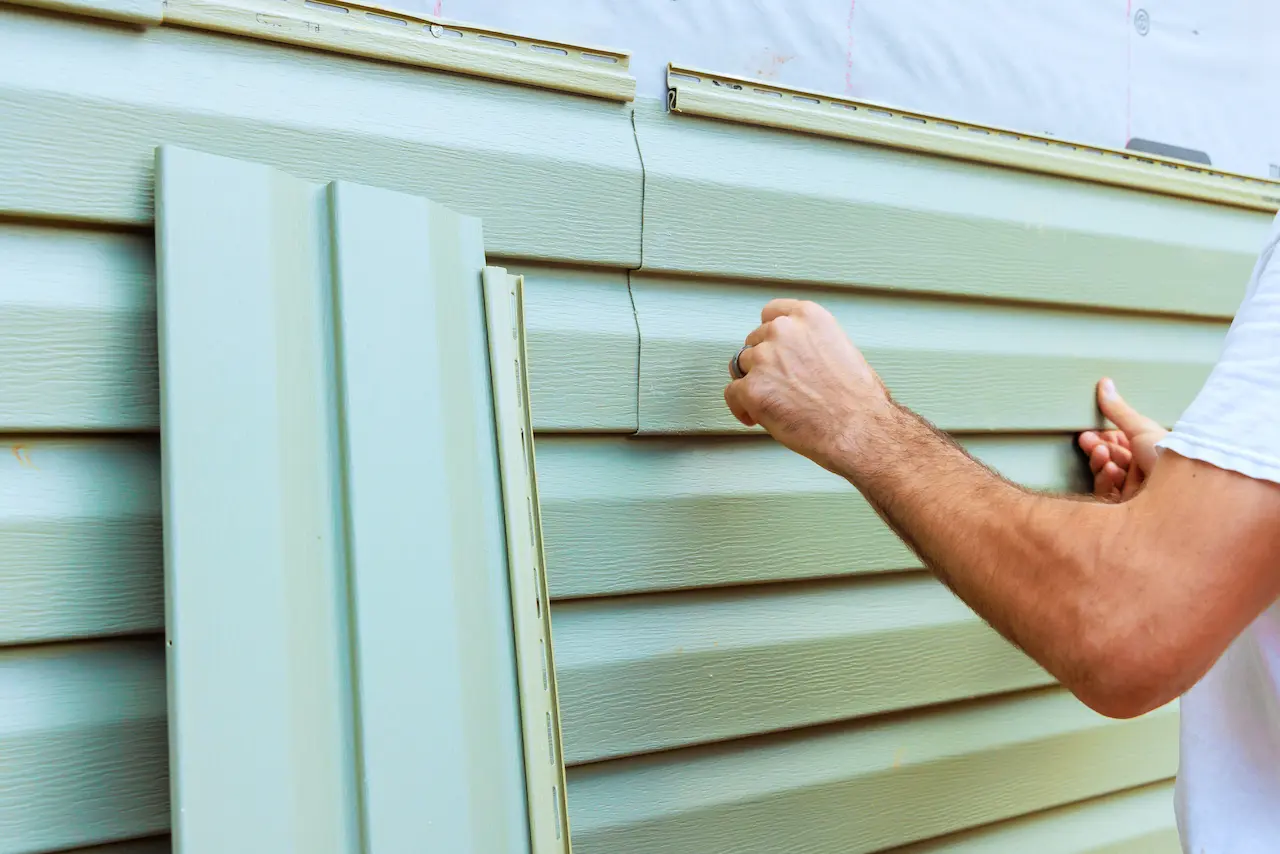
Siding doesn't fail all at once. It fails gradually, in ways most Connecticut homeowners don't notice until the problems are serious. A few faded panels here. Some buckling on the south-facing wall there. A patch of mold near the foundation that wasn't there last year. By the time the damage is obvious from the curb, water has often been getting behind the siding for months or years, rotting the sheathing underneath.
The good news is that siding problems are usually visible if you know what to look for. Connecticut weather, with its humid summers, brutal winters and coastal salt air on the southern shore, accelerates siding aging in ways warmer climates don't. Vinyl that would last many years in Arizona might fail in 20 here. Cedar that holds up beautifully in Vermont rots faster on a Stamford coastal home.
This guide walks you through the 8 most reliable signs that your Connecticut home needs new siding, plus what replacement actually costs in 2026 CT dollars, how long the job takes, and how to think about timing the project right. We've replaced siding on CT homes for 17 years, so the warning signs here come from actual project assessments rather than generic homeowner advice.
Vinyl siding develops cracks from sun exposure and impacts. Fiber cement can crack from settling foundation movement. Cedar shake can split from drying. A few cracked panels can be replaced individually if you can match the existing material and color. Widespread cracking across multiple walls usually means the whole house needs replacement. Connecticut nor'easters frequently rip vinyl panels off houses that had cracking developing slowly for years.
Vinyl siding fades from UV exposure over long-term. The fade is uneven because south and west walls get more sun than north walls. When you can see clear color differences between walls of the same house, the vinyl is at end of life. Chalky residue when you wipe the siding with your hand means the surface has degraded enough that the color layer is breaking down.
Vinyl siding buckles when it can't expand and contract properly with temperature changes. The cause is almost always improper installation, where panels were nailed too tightly or not given expansion room. Once it starts buckling, it gets worse every CT summer. You'll see waves in the wall when you look down the side of the house at an angle. Buckling siding can't be flattened back, only replaced.
Connecticut humidity feeds mold growth on siding, especially on north-facing walls or shaded areas. Surface mold can sometimes be cleaned with appropriate cleaning solutions. Mold that keeps coming back after cleaning, or shows up across multiple areas, signals moisture trapped behind the siding. This is when replacement becomes more important than cosmetic, because trapped moisture eventually rots the sheathing underneath.
Press firmly on different sections of your siding. Healthy siding feels solid. Soft spots that give under pressure indicate water damage either to the siding itself or to the sheathing behind it. We've found rotted plywood behind siding that looked perfectly fine from 10 feet away. Always inspect behind any soft area before just patching it. The hidden damage is usually larger than the visible problem.
Failing siding lets air infiltrate the wall cavity, defeating the insulation's job. If your Connecticut heating bills have crept up over a few winters without any change to your habits, failing siding might be part of the cause. Most Connecticut homes lose significant conditioned air through wall infiltration when siding and house wrap fail. A new siding install with proper house wrap can cut that loss substantially.
Rotted exterior trim around windows, doors and rooflines is often the first visible sign of moisture problems behind siding. If you see soft wood or paint failure at these transitions, water is getting in somewhere. Sometimes the fix is just the trim. Often it requires opening up the siding around the affected areas, which makes a full siding replacement more practical than a series of repairs.
Water stains on interior walls, particularly around windows or where exterior walls meet ceilings, often indicate siding failure. By the time water reaches the interior of a Connecticut home, the siding and probably the sheathing behind it have been compromised for some time. Interior damage signals you need a complete siding assessment, not just patches.
Average siding replacement costs for a Connecticut home of average-sized CT home:
Costs include tear-off of existing siding, new house wrap, flashing around openings, the new siding material, and finish trim work. Coastal Stamford, Greenwich and Fairfield projects typically run somewhat higher than inland Connecticut for the same square footage and material.
Most Connecticut siding replacements on an average-sized CT home take several days. Vinyl is the fastest at several days. Fiber cement runs several days because the boards are heavier and require pre-drilling and sealing at every butt joint. Cedar shake or clapboard installation takes several days depending on the home and crew size. Weather affects timing because we can't install siding in heavy rain or sustained high winds.
Spring through fall is the optimal CT siding season. April through October gives consistent weather windows for tear-off and installation. We do siding work in November and into December if weather cooperates. January through March is harder because of snow, ice and frozen wall cavities. If you're planning a CT siding replacement for budgeting purposes, getting on a contractor's schedule in winter for spring work usually means better pricing and earlier completion.
Most siding problems get worse, not better, over time. Connecticut weather is not kind to failing siding. If you've noticed two or three of the warning signs above, it's time to get an assessment. Catching siding problems early lets you plan and budget the replacement rather than scrambling after a storm tears off panels or you discover rotted sheathing during another project.
We'll come out, walk your CT home, look behind suspect areas if needed, and tell you honestly whether you need full replacement, partial repair or just maintenance. If you do need new siding work in Connecticut, we'll send a written estimate with material options that fit your budget and your home's architecture. No high-pressure tactics, just straight information you can use.

Picking the right material for a Connecticut deck is one of those decisions that affects your home for 17 years or more. Get it right and you have a deck that handles CT winters beautifully, looks great with minimal effort, and adds real value when you sell. Get it wrong and you're either replacing the boards in many years or spending weekends sanding and staining when you'd rather be using the deck.
Connecticut deck materials really come down to three main categories: pressure-treated lumber, real cedar and composite decking from brands like Trex, TimberTech or AZEK. Each has clear strengths and weaknesses for CT homes specifically. The right choice depends on your budget, how much maintenance you're willing to do, and how the deck will be used.
This guide compares all three options based on real Connecticut deck projects. We've built decks across CT for 17 years using all of these materials, so the comparisons here come from watching how they actually perform after 5, 10 and 20 CT winters, not from manufacturer marketing claims.
Pressure-treated southern yellow pine has been the default Connecticut deck material for decades and remains the most affordable option. The wood gets chemically treated to resist rot, insects and decay. With proper sealing and basic maintenance, a pressure-treated CT deck lasts many years.
Real cedar decking offers natural beauty and weather resistance that pressure-treated wood can't match. Western red cedar is the most common cedar choice in Connecticut decking. It contains natural oils that resist rot and insects without chemical treatment, holds finishes beautifully when properly maintained, and develops a distinctive aged appearance.
Composite decking from Trex, TimberTech, AZEK and similar brands has become the dominant choice for new Connecticut deck construction in the past many years. Made from a combination of recycled wood fibers and plastic, modern composite decking looks remarkably like real wood while requiring almost no maintenance and lasting decades.
Connecticut weather affects each deck material differently. CT winters with freeze-thaw cycles, heavy snow loads in the Hartford area, and humid summers test every deck. Here's how each material handles CT conditions:
Pressure-treated lumber expands and contracts noticeably with CT humidity swings. Properly installed with appropriate gaps, it handles this fine. Improperly installed with no gaps, boards cup, split and crack. Cedar handles humidity better than pressure-treated because of its natural oils but still moves significantly between summer wet and winter dry.
Composite decking expands and contracts thermally with temperature but not with humidity. CT summer heat can cause significant expansion that requires proper installation gaps. Most composite manufacturers specify exact expansion gaps for Connecticut climate zones. Skipping these gaps causes buckling that doesn't reverse.
Pick pressure-treated if your priority is keeping initial cost down and you're comfortable with regular maintenance. Pressure-treated remains the most popular CT deck material for good reason: it's affordable, familiar and works fine when properly built.
Pick cedar if you want a natural-wood look for a colonial or historic CT home and you'll commit to maintenance.
Pick composite if you want a low-maintenance deck that lasts decades and you can afford the higher upfront cost.
There's no universally best deck material for Connecticut homes. The right choice depends on your budget, your home's style, how you'll use the deck and how much weekend time you want to spend maintaining it. All three options can result in great decks when properly designed and built. All three can fail prematurely when corners are cut on framing, footings, flashing or installation technique.
If you're planning a Connecticut deck project, we can walk through the trade-offs based on your specific home and budget. Free site visit, honest comparison of options, written estimate with breakdowns. No high-pressure pitch for one material over another, just real information about what works for your CT property.
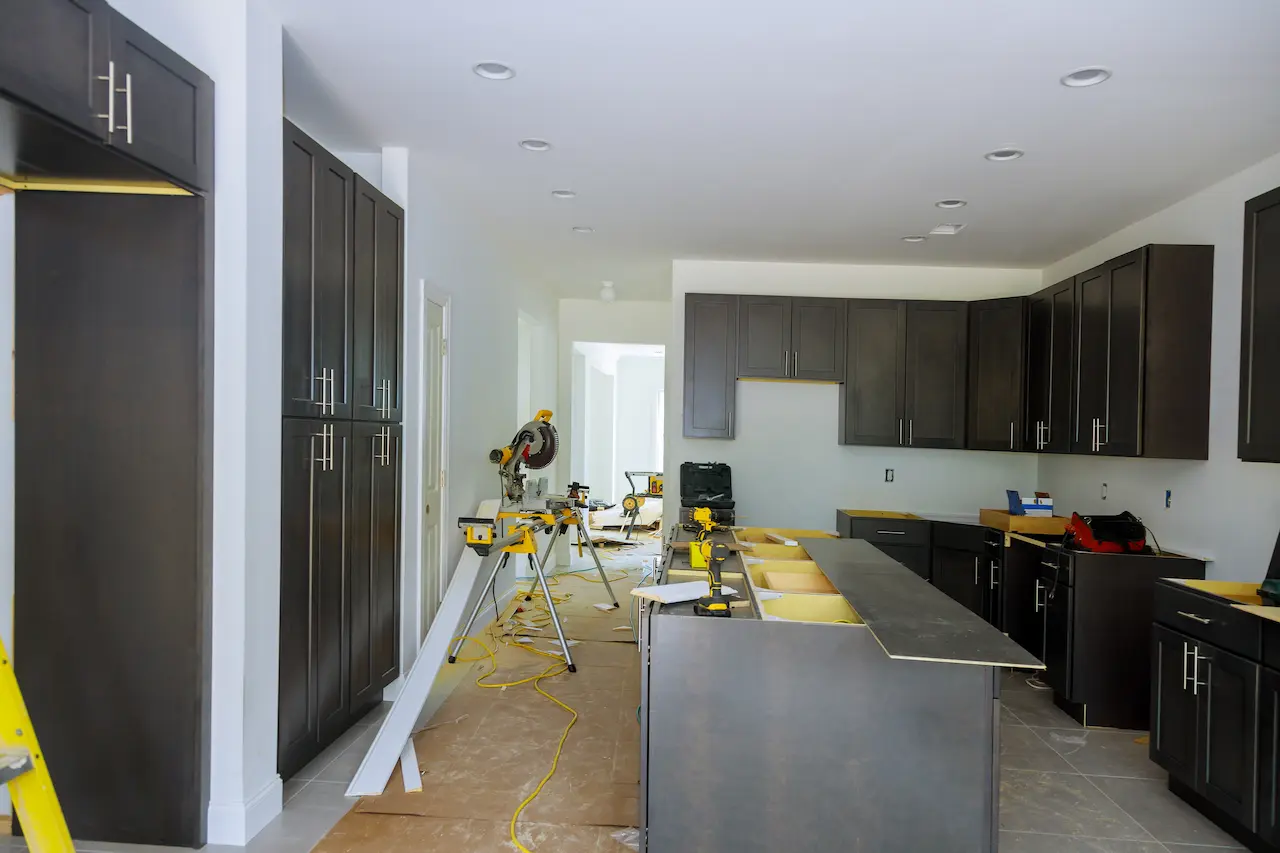
If you're thinking about remodeling your Connecticut kitchen, you've probably seen wildly different cost numbers online. National averages tell you one thing. Premium guides tell you another. Reality is somewhere in between, and where your CT kitchen project falls depends on choices most homeowners haven't thought through yet.
A kitchen remodel in Connecticut typically runs anywhere from a budget refresh to a high-end Greenwich gut renovation. That spread isn't because contractors are charging wildly different rates. It's because kitchen scope, finish level and structural changes all dramatically affect what the project actually involves. A new countertop and cabinet paint is a different project than tearing down a wall, moving plumbing and installing custom cabinets.
This guide gives you real 2026 Connecticut kitchen remodel numbers by tier, walks through what affects cost up or down on your specific project, and helps you understand where to invest and where to save. We've remodeled CT kitchens for 17 years, so the numbers here come from actual completed projects across Hartford, Stamford, Fairfield County and beyond, not generic industry averages.
Connecticut kitchen remodels generally fall into one of four tiers based on scope and finish level:
Cabinet refacing or painting, new countertops, new sink and faucet, possibly new appliances, paint and minor updates. Same footprint, no walls moved, no plumbing rerouted. Best for kitchens that work functionally but look dated. Most common in Connecticut starter homes or rentals being prepared for sale.
New semi-custom cabinets, quartz or granite counters, tile backsplash, new appliances, updated lighting, possibly some layout changes within existing footprint. This is the sweet spot for most Connecticut family homes in towns like Danbury, Shelton, Hartford and Fairfield where you want a real upgrade without breaking the bank.
Custom or premium semi-custom cabinets, premium countertops including possible waterfall edges, designer tile, professional-grade appliances, layout changes including wall removal, custom lighting design, hardwood floors. Common in established Stamford, Fairfield and inland Greenwich homes upgrading older kitchens.
Fully custom cabinetry, premium stone or wood countertops, top-tier appliances like Sub-Zero and Wolf, paneled appliance fronts, designer lighting, multiple islands, butler's pantry additions, full hardwood flooring, custom range hoods. Common in Greenwich, Westport and other premium CT markets where the home itself supports the investment.
Cabinets typically account for a significant portion of total kitchen remodel cost in Connecticut. Stock cabinets from IKEA or big box stores are the budget option. Semi-custom lines like KraftMaid, Wellborn or Cardell are the mid-range choice. Full custom cabinetry from local CT cabinet makers is premium tier.
Quartz from Caesarstone, Cambria or Silestone has pricing based on your scope in Connecticut. Granite runs similar. Marble runs higher and requires more maintenance. Butcher block has pricing based on your scope. A typical CT kitchen has typical counter area, so plan accordingly for mid-range counters.
Knocking down a wall between the kitchen and dining room to create an open concept is one of the biggest single decisions affecting cost. If the wall is non-load-bearing, removal is straightforward. If load-bearing, expect more cost for proper beam installation, structural engineering and inspection. Moving plumbing for a new island sink adds additional cost typically.
Appliance budget varies enormously. Basic builder-grade appliance packages run lower. Mid-range from brands like GE Profile, KitchenAid or Bosch run higher. Professional grade including Sub-Zero, Wolf, Miele or Thermador run premium for a full kitchen package in CT.
If you're replacing flooring along with the kitchen, that's a separate line item. Luxury vinyl plank has pricing based on your scope in CT. Tile has pricing based on your scope. Hardwood has pricing based on your scope. A typical CT kitchen of typical kitchen area adds additional cost for floors depending on material choice.
Where in CT you live affects kitchen remodel pricing significantly. Greenwich, Stamford, Westport and other coastal Fairfield County markets typically run significantly higher than Hartford-area pricing for the same scope and materials. This reflects higher contractor overhead, premium market expectations and stricter building inspections in some coastal towns.
Some kitchen remodel costs catch homeowners off guard. Plan for these in your budget:
Most Connecticut kitchen remodels take several weeks from demo day to final inspection. Smaller refresh projects can finish in several weeks. Larger high-end projects with layout changes, custom cabinets and premium finishes run extended weeks. Cabinet lead times often drive the timeline more than construction itself: semi-custom cabinets take several weeks to manufacture and ship, custom can take extended weeks.
Living through a kitchen remodel in your CT home is harder than most homeowners expect. Plan for setting up a temporary kitchen in another room, eating out more than usual, and dealing with construction dust for the project duration. Some Connecticut families move to a rental or stay with relatives during gut renovations to skip the disruption entirely.
Connecticut requires permits for almost any meaningful kitchen remodel. Plumbing changes need a permit. Electrical changes need a permit. Wall removal needs a permit. Stamford, Greenwich, Hartford and most CT towns enforce these requirements consistently. Inspections happen at rough-in stage before walls close and at final completion. Skipping permits creates serious problems at resale because every Connecticut buyer's inspector will flag unpermitted kitchen work.
Kitchens are the biggest single home renovation investment most Connecticut homeowners make. Done right, a quality kitchen transforms how you live in your home daily and pays back strong value at resale. Done poorly, it becomes a daily frustration plus money lost when you eventually sell. The difference comes down to honest planning, realistic budgeting, and hiring a contractor who tells you what your project will actually cost rather than what you want to hear.
If you're ready to get specific numbers for your Connecticut kitchen, we'll come walk the space, discuss layout possibilities, talk through cabinet and countertop options that fit your budget, and send a written estimate with everything broken out clearly. No high-pressure sales, no obligation. Just real numbers for your specific kitchen.
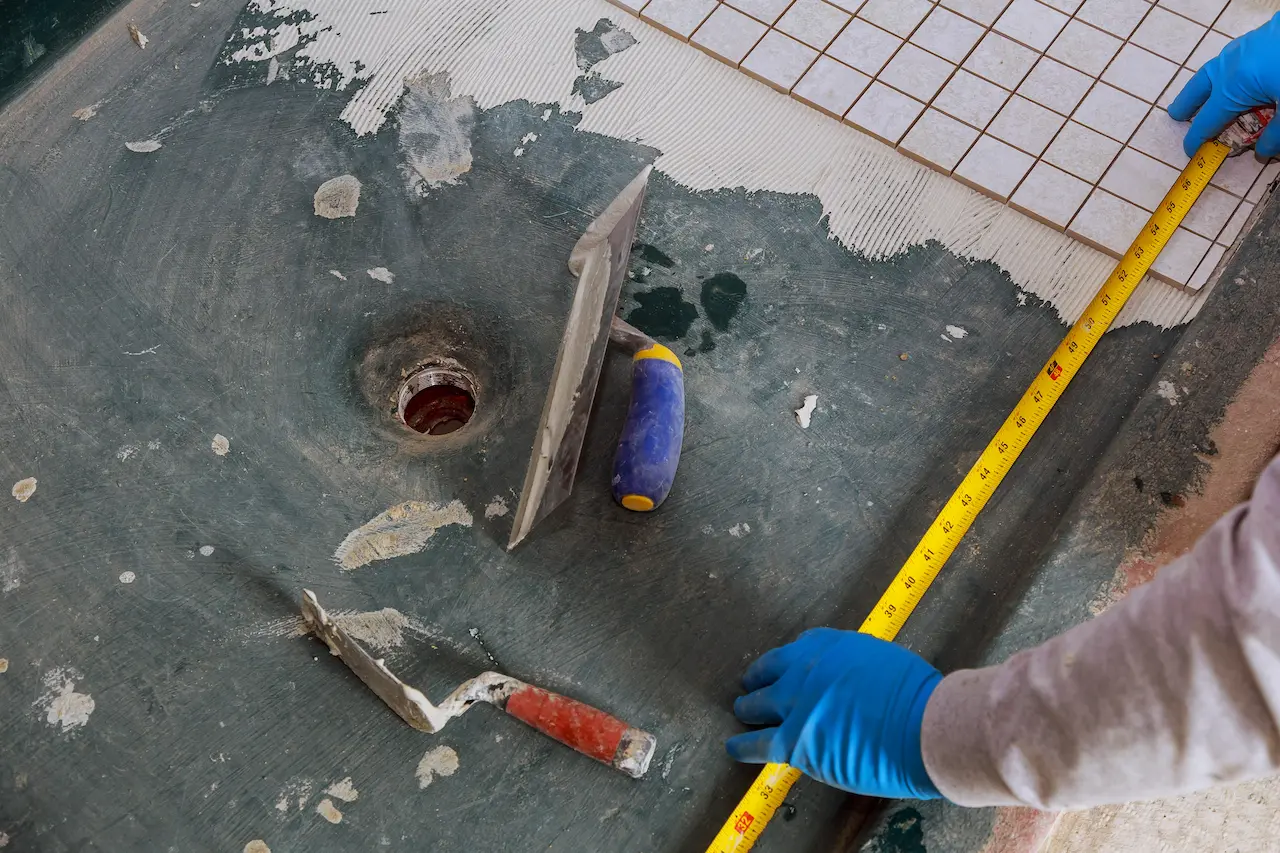
The most expensive part of any Connecticut bathroom remodel is the part you can't see after the project is done. Waterproofing. The membrane, sealant and substrate work that goes behind the tile is what separates a bathroom that lasts many years from a bathroom that leaks within two seasons and rots out the wall framing behind it. And it's also the easiest place for a contractor to cut corners without you knowing.
We've been called to fix Connecticut bathrooms ruined by skipped waterproofing more times than we can count. The pattern is always the same. Beautiful tile work that looks great for a year or two. Then mysterious water stains on the ceiling below. Then mold in the wall cavity. Then the realization that the previous contractor installed tile directly over green drywall with no waterproofing membrane, and water has been getting through the grout joints into the wall for months.
This article explains exactly what bathroom waterproofing should include on any Connecticut remodel, how to tell whether your contractor is doing it right, and why the small additional cost of proper waterproofing is the best investment you'll make in your CT bathroom project. We've installed bathrooms across Connecticut for 17 years, so the details here come from real projects rather than manufacturer marketing.
Bathrooms are the wettest rooms in any home. Showers create steam, splashing water and direct exposure for hours every week. Connecticut climate makes this harder because CT humidity stays high in summer, meaning bathrooms don't dry out as fast as they would in drier climates. Trapped moisture in walls grows mold and rots framing. CT winter heating cycles also dry interior air dramatically, making any moisture that did get into walls expand and contract daily.
The damage from bathroom leaks doesn't stay in the bathroom. Water travels along framing members, soaking insulation, dripping down to ceilings below, and seeping into adjacent walls. By the time you see a water stain on your dining room ceiling underneath the upstairs bathroom, water has been flowing for months. Repair often runs into tens of thousands of dollars, plus health risks from mold exposure.
Tile substrate matters enormously. Green drywall is moisture-resistant drywall used historically in bathroom walls. It is not waterproof. Modern bathroom code in Connecticut requires cement board (Hardiebacker or Durock) on all shower walls. Cement board doesn't absorb water, doesn't grow mold and provides a stable surface for tile. Skipping this step in favor of green drywall is a common shortcut we've seen on failed CT bathroom installs.
Schluter Kerdi is a polyethylene sheet membrane that gets applied over the cement board substrate before tile goes on. It's bonded to the cement board with thinset mortar, creating a fully waterproof layer that water cannot penetrate. Every seam gets sealed with Kerdi-Band sealing strips, and every penetration for valves, mixing controls and drains gets sealed with specific Kerdi products. Done right, a Schluter Kerdi shower never leaks through the substrate, ever.
RedGard is a liquid-applied waterproofing membrane that's an alternative to Schluter Kerdi. It gets rolled or brushed onto the substrate in two coats, drying to a thick rubbery membrane. RedGard is faster to apply than Kerdi sheet membrane and works well for residential CT applications. Both products meet Connecticut code when properly applied. Choice between them is often contractor preference plus project specifics.
Shower pans need their own waterproofing system. Traditional mortar bed pans use a PVC liner under the mortar that catches any water that gets through the tile. Pre-formed Schluter Kerdi-Shower pan systems eliminate the mortar bed and use a foam pan with integrated waterproofing. Both work in Connecticut bathrooms when properly installed. Skipping pan waterproofing causes the catastrophic failures where shower floor water runs into the floor structure.
Every place a pipe, valve, or fixture penetrates the waterproofing membrane needs proper sealing. Shower valve trim plates need to compress against gaskets. Mixing controls need approved sealants. Drains need to integrate with the membrane system. These transition points are where cheap waterproofing jobs fail even when the main wall membrane is correct.
Connecticut building code addresses bathroom waterproofing specifically. CT permits typically require:
Inspections happen at rough-in stage before walls close and at final completion. Stamford, Greenwich and Hartford inspectors all enforce these requirements consistently. Bathrooms remodeled without permits skip these inspections, which is why so many shortcut waterproofing jobs go unnoticed until damage shows up years later.
Most homeowners aren't on site during the waterproofing stage of a bathroom remodel. Here's what to ask any Connecticut bathroom contractor before signing a contract:
Contractors who do waterproofing right are happy to explain the process and show you photos. Contractors who skip waterproofing typically get vague when you ask specific questions about substrate and membranes. That's your signal to keep looking.
Proper waterproofing adds additional cost to a Connecticut bathroom remodel depending on shower size and product choice. That's typically modest amount of total project cost. Compare that to the cost of repairing water damage from a failed shower:
Total repair cost for a failed bathroom waterproofing job depends on the project scope or more. Spending extra on proper waterproofing during the original install prevents the larger expense later. It's the clearest cost-benefit calculation in residential construction.
Bathroom waterproofing is the single biggest factor separating Connecticut bathrooms that last many years from bathrooms that fail within five. The materials and techniques are well-established. Schluter Kerdi and RedGard both work when properly applied. Cement board substrate is required by code. Permits and inspections enforce these standards. None of this is mysterious or hard to do right.
What gets bathrooms in trouble is contractors who cut corners to win lower bids, and homeowners who don't know what questions to ask. Now you know. Ask your bathroom contractor specifically about substrate, membrane, penetration sealing and permits. Get answers in writing. The difference between a leaky bathroom and a watertight one is just a few materials and an extra day of careful work.

If you're heating a Connecticut home through January and February, you're losing significant amount of that heat through the windows. Old single-pane windows leak heat through the glass and air through the frames. Aging vinyl windows with failed seals do the same thing slightly slower. By the time you're paying for heating oil or natural gas, most of that money is literally going out the window.
Energy-efficient replacement windows can meaningfully reduce Connecticut heating bills. Over the long life of quality windows, the heating savings add up substantially on a typical CT home. Add resale value, comfort improvements, and noise reduction, and the math gets compelling pretty quickly. The trick is knowing which window specs actually matter for Connecticut climate and which are just marketing.
This guide explains exactly what makes a window energy-efficient for CT winters, walks through the specs that matter most, compares major brands available in Connecticut, and tells you what proper installation should look like. We've installed windows on CT homes for 17 years, so the recommendations here come from watching how different products and installs actually perform after multiple CT winters.
Connecticut homes lose heat through windows in three main ways:
Glass conducts heat better than the rest of your wall assembly. Even high-performance windows let some heat through. The measurement of this is called U-factor. Lower U-factor means better insulation. Connecticut energy code requires U-factor of current code for most replacement windows. Old single-pane windows might have a strong U-factor or higher, three times worse than modern windows.
Air leaks around window frames cost more than most homeowners realize. Old wood windows with painted-shut sashes and worn weatherstripping leak constantly. Even well-maintained older vinyl windows often have failed seals and gaps where the frame meets the wall. Modern replacement windows installed properly seal against air infiltration much better than worn windows can.
Even with good U-factor and tight seals, windows radiate heat from interior surfaces toward cold outside surfaces. Low-E (low-emissivity) coatings on the glass reduce this radiant heat loss substantially. Modern energy-efficient windows for Connecticut use low-E coatings tuned for Northern climate zones, reflecting interior heat back inside during winter while still letting visible light through.
Three specifications matter most for Connecticut windows:
U-factor measures total heat transfer through the window assembly including glass, frame and spacers. Lower is better for cold climates. Connecticut code requires current code on most replacement windows. Premium windows hit premium U-factor. Federal ENERGY STAR for the Northern climate zone requires Northern climate spec.
SHGC measures how much solar heat passes through the window. In hot climates, lower SHGC is better to keep summer heat out. In Connecticut, slightly higher SHGC actually helps because solar heat in winter is free heating. For CT windows, select SHGC appropriate to climate and orientation. South-facing windows can run higher SHGC to capture winter sun. North-facing run lower.
Low-E (low-emissivity) coatings are microscopically thin metallic layers on the glass that reflect radiant heat. For Connecticut climate, you want low-E coatings tuned for Northern zone, which reflect interior heat back inside while letting solar heat in. This is different from Southern-zone low-E that blocks solar heat. Make sure your CT windows are spec'd for Northern climate.
Most energy-efficient windows fill the space between panes with argon or krypton gas instead of regular air. These gases are denser than air, conducting heat slower. Argon is the most common because it's affordable. Krypton performs better but costs more, used mostly in premium triple-pane windows. For Connecticut, argon-filled double-pane windows with low-E coatings hit the sweet spot of performance versus cost.
Andersen is the gold-standard premium window brand. 400 Series is the popular mid-range choice for Connecticut homes, offering excellent energy performance and durability. A-Series is the high-end option with fiberglass exteriors. Andersen windows run premium pricing in CT, but the build quality and warranty support are excellent for the long term.
Pella Lifestyle Series is the mid-range Pella option, similar performance to Andersen 400 at slightly lower price. Pella Reserve is the premium option. Pella offers more aesthetic options including specific historic profile replication for Connecticut colonials and Victorians.
Marvin Essential is the value tier. Marvin Elevate is the mid-range. Marvin Signature is the premium custom line popular on Greenwich and Stamford estates. Marvin offers excellent design flexibility and matches historic profiles well.
Harvey is the New England regional brand made in Massachusetts, well-known across Connecticut. Harvey Tribute is the popular mid-range vinyl line. Less expensive than Andersen or Pella while still meeting Connecticut energy code. Good choice for full-house replacements where budget matters.
A premium Andersen window installed poorly performs worse than a budget Harvey window installed right. Installation is where most energy efficiency is gained or lost on Connecticut window replacements. Look for these installation details:
Poor installation creates air leaks that defeat the window's energy performance. We've seen Connecticut homes with premium Andersen windows performing worse than expected because previous installers skipped sill pans or used wrong foam. The window itself was fine. The install was the problem.
Connecticut homes heating with oil or natural gas typically spend on heating depending on home size, age and current efficiency. Energy-efficient window replacement on a home with old windows can save:
Window investment pays back over long-term on energy savings alone, before factoring in resale value or comfort improvements.
Connecticut requires permits for window replacements that change rough opening size. Most full-house replacements need permits. Stamford, Greenwich and Hartford all enforce permit requirements. Egress requirements apply to bedroom windows: every CT bedroom must have at least one window meeting minimum size and sill height for emergency exit. Replacing a too-small bedroom window with a code-compliant unit is often necessary on older Connecticut homes.
Energy-efficient windows are one of the highest-value home improvements you can make in Connecticut. The combination of substantial heating bill savings, increased home value, improved comfort and noise reduction makes the math work even at premium pricing. The keys to maximizing return are spec'ing windows correctly for Northern climate, choosing quality products from major brands, and hiring contractors who install with proper flashing, shimming and air sealing.
If you're considering window replacement on your Connecticut home, we can come measure every opening, talk through brand and style options that fit your budget and home style, and send a written estimate with everything broken out. No high-pressure sales pitch for the most expensive option. Just real information about what works for your specific CT property and budget.